- By Charlotte Brown
- September 25, 2026
Oyster season is back, and most raw bars are still running on autopilot: a lemon wedge, a squeeze bottle of cocktail sauce, done.
Below are eight ingredients that turn a raw bar from a basic menu to a standout feature worth ordering twice, ranked from classic to premium upsell.
Key Takeaways:
- Classic mignonette: vinegar and minced shallot, the base every upgrade builds on
- Fruit-forward vinegars: raspberry or passion fruit for a sweeter, modern twist
- Flavor pearls: balsamic or yuzu, for texture and plate presentation
- Capers: a briny, low-cost topping over mignonette
- Finishing salt: fleur de sel, straight on the oyster
- Olive oil: a light drizzle right before serving
- Truffle mignonette or truffle butter: the premium upsell
- Cultured butter and baguette: the traditional French side
8 Raw Bar Ingredients Worth Adding to Your Menu
Here's the full lineup of oyster toppings you need, from the classic raw bar necessities to the premium finish that turns an oyster special into a menu highlight.
1. Classic Mignonette (Vinegar and Shallot)
Start here, since every fancier upgrade below still needs a solid base underneath it.
What Is Mignonette?
Mignonette is a cold, uncooked sauce, traditionally red wine vinegar and minced shallot, served over raw oysters to cut their brininess with acid.
What Goes Into a Classic Mignonette Base?
A classic mignonette combines vinegar, minced shallot, and cracked black pepper, spooned over a raw oyster right before it's served. It's the baseline every other upgrade on this list builds from, so it's worth getting right before adding anything fancier.
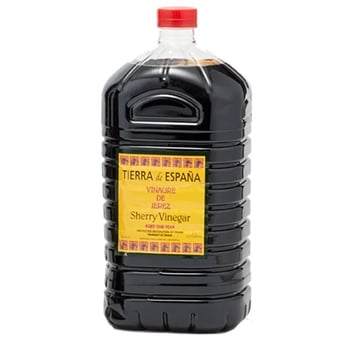
Instead of defaulting to plain white or red wine vinegar, start with a vinegar that brings more character to the base. Tierra de España Traditional Sherry Vinegar adds the depth of Spanish sherry vinegar, while Maison de Choix Champagne Vinegar offers a lighter, more delicate acidity that won't overpower the oyster. Maison de Choix describes champagne vinegar as light, crisp, and slightly floral, making it particularly well suited to delicate applications.
Shop Paris Gourmet sherry and champagne vinegars for your raw bar →
2. Fruit-Forward Vinegars (Raspberry and Passion Fruit)
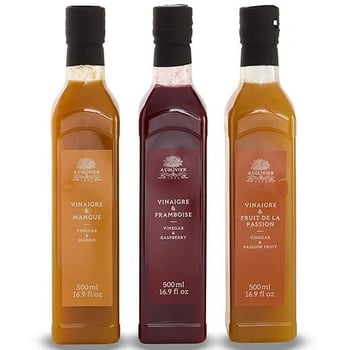
Maison de Choix's Raspberry Vinegar brings a bright, slightly sweet edge that plays well against a briny East Coast oyster, and it needs almost nothing beyond minced shallot to become a full mignonette.
Passion fruit vinegar is the next step for a program that's already sold guests on raspberry, a sharper, more tropical profile better suited to a sweeter West Coast or Kumamoto oyster.
How Do Fruit-Forward Vinegars Modernize a Mignonette?
Fruit-forward vinegars modernize a mignonette by swapping straight acidity for acidity with built-in sweetness, so the sauce reads as a composed pairing instead of a plain condiment.
So why not just add fruit juice to a regular mignonette instead? Vinegar's acidity is what keeps the sauce balanced on a raw, cold food. Juice alone turns syrupy fast and drowns out the oyster.
Our Experience: Across Paris Gourmet's distributor network, fruit vinegars tend to move fastest with guests ordering a raw bar as a shareable starter, since the sweeter profile reads as more approachable to a first-time oyster eater.
3. Flavor Pearls (Balsamic and Yuzu)
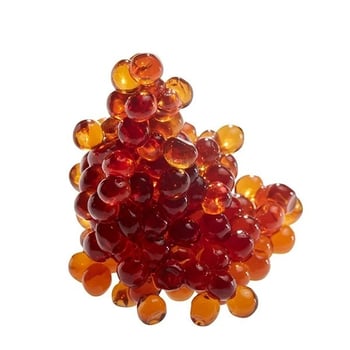
Flavor pearls (sometimes called flavor caviar) are made by encapsulating a liquid inside a thin gel membrane through a technique called spherification, so each pearl bursts with concentrated flavor when bitten.
What Are Flavor Pearls, and Why Are They Showing Up on Raw Bars?
Flavor pearls are small, spherical bursts of flavored liquid, most often balsamic vinegar or citrus like yuzu, that pop on the tongue and add texture a lemon wedge never could.
The appeal goes beyond flavor. A handful scattered across a platter photographs well and gives guests a reason to post the dish, which counts for more on a menu item that otherwise looks the same at every restaurant in town.
Expert Tip: Vinegar pearls also solve a real plating problem: they hold their shape on ice far longer than a loose sauce, so a raw bar can sit through a slow stretch of service without looking sloppy by the second seating.
Browse Paris Gourmet's flavor pearls line →
4. Capers
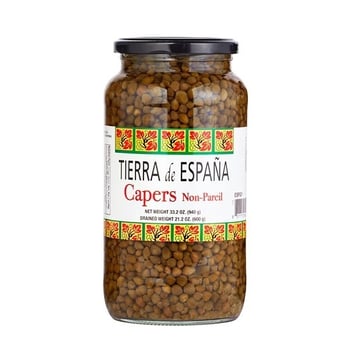
Tierra de España's Non-Pareil Capers are small, imported from Spain, and ready to use straight from the jar, no chopping or brining required before service.
Why Add Capers to an Oyster Program?
Capers add a briny, tangy pop that plays off an oyster's own salinity instead of competing with it, and they're one of the least expensive upgrades on this list per serving.
A few capers over a mignonette-dressed oyster, or worked into a caper-shallot topping, gives the dish a Mediterranean lean that pairs naturally with the olive oil finish covered next.
5. Finishing Salt
The right finishing salt goes on the oyster itself, not just the ice bed underneath it, and a flaky, mineral-forward salt does more for the final bite than most raw bars expect.
What Finishing Salt Belongs Under the Ice?
A pinch on a freshly shucked oyster, right before the mignonette goes on, adds a textural crunch most bottled-sauce raw bars are missing entirely. It's also a reason to build the ice bed out of coarse salt instead of plain ice, a chef's detail rather than a garnish.
Paris Gourmet's own guide to finishing salts for professional kitchens points to La Baleine's fleur de sel, sourced from the Camargue region of France, as a heritage option with the light, irregular crystal structure that dissolves slowly instead of oversalting the first bite.
6. Olive Oil
Olive oil belongs on a raw bar for the same reason it belongs on good bread: it adds richness without changing the fundamental character of what it's poured on. A few drops, not a pool, is the difference between an accent and a distraction.
Which Olive Oil Finishes a Raw Oyster Best?
A high-quality, fruity extra virgin olive oil finishes a raw oyster best when it's drizzled sparingly right before serving, adding richness without cooking or masking the oyster's texture.
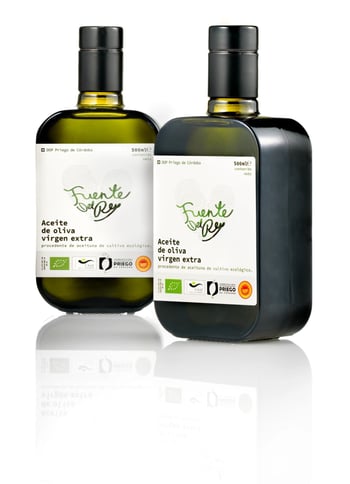
Tierra de España's Fuente del Rey Organic Extra Virgin Olive Oil is organic and Spanish-sourced, with a round, slightly peppery finish that plays well against a briny oyster instead of overwhelming it the way a heavier, more bitter oil can.
7. Truffle Mignonette or Truffle Butter
A truffle mignonette earns real hype. “Truffle-finished" or "black truffle mignonette," elevates a menu offering far more than a bottled hot sauce ever will. That's the difference between an oyster special guests order because it sounds worth it and one they order because it's simply what's available.
How Does Truffle Turn Oysters Into a Premium Upsell?
Truffle turns oysters into a premium upsell because it's an ingredient guests already associate with a higher price point, so a truffle-finished raw bar item can be priced and marketed accordingly without feeling like an unjustified markup.
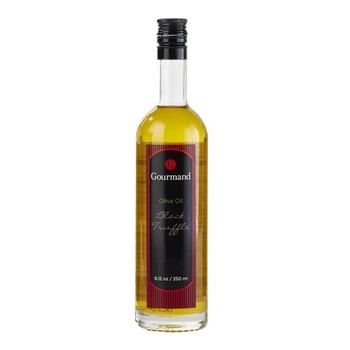
Gourmand's Black Truffle Olive Oil is the fastest way to build a truffle mignonette: whisk a few drops into a standard vinegar-and-shallot base, and the aroma carries before a guest takes a bite. A soft truffle butter, warmed just enough to loosen it, works as a richer, less acidic version of the same upsell.
Ask your Paris Gourmet rep about pairing Gourmand's Black Truffle Olive Oil with your fall raw bar program →
8. Cultured Butter and Baguette
Some upgrades change how an oyster tastes. This one changes how the whole platter gets served, and it's one of the oldest, most road-tested combinations in the book.
Why Do Raw Oysters Belong With Cultured Butter and Baguette?
Raw oysters belong with cultured butter and baguette because it's the traditional French raw bar service.
What Does Traditional French Raw Bar Service Look Like?
Traditional French raw bar service pairs oysters on ice with good bread and cultured butter on the side, giving guests something to do with the briny liquid left behind once the oyster itself is gone.
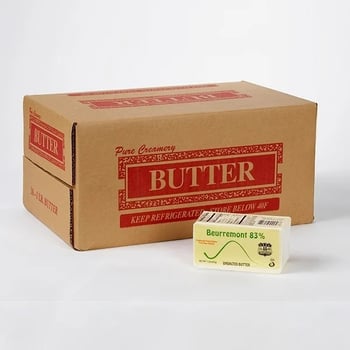
Beurremont's 83% Butter carries the tangy, rounder flavor cultured butter has over standard sweet cream butter, closer to what a Paris brasserie sets down next to a platter of oysters.
At 83% butterfat, compared with roughly 80% for standard butter, it also has a richer texture that makes it easier to spread cold — an important detail when butter is served tableside rather than straight from the walk-in.
8 Raw Bar Upgrades at a Glance
All eight ingredients work on their own, but they land differently depending on cost, effort, and how much they're meant to raise the check.
Here's how they stack up side by side:
8 Raw Bar Toppings |
|||
|---|---|---|---|
|
Ingredient: |
Flavor Profile: |
Best Use: |
Upsell Angle: |
|
Classic mignonette |
Sharp, acidic |
Base sauce for every oyster |
Low cost, high expectation |
|
Fruit vinegars (raspberry, passion fruit) |
Bright, slightly sweet |
Modern mignonette twist |
Approachable for new oyster eaters |
|
Flavor pearls (balsamic, yuzu) |
Concentrated, bursting |
Plate garnish |
Photo-ready presentation |
|
Capers |
Briny, tangy |
Topping over mignonette |
Low-cost flavor complexity |
|
Finishing salt |
Mineral, crunchy |
Direct on the oyster |
Textural "chef's touch" |
|
Olive oil |
Fruity, rounded |
Light drizzle before serving |
Richness without masking |
|
Truffle mignonette or butter |
Earthy, aromatic |
Premium special |
Highest price-per-oyster upsell |
|
Cultured butter and baguette |
Tangy, rich |
Traditional side service |
French raw bar authenticity |
Ready to Upgrade Your Raw Bar This Oyster Season?
Most raw bars are leaving flavor, presentation, and margin on the table with nothing more than lemon and bottled sauce.
The eight ingredients above, from a proper mignonette base to a truffle-finished premium special, give a fall oyster program room to move up the menu instead of sitting at the bottom of it as a free side.
Contact your Paris Gourmet rep to add these raw bar ingredients to your next order before oyster season peaks.
Frequently Asked Questions About Raw Bar Ingredients