
- By Charlotte Brown
- January 21, 2026
In professional kitchens, finishing salts are never an afterthought. They are a deliberate, final act—applied with intention to shape how a dish is experienced from the first glance to the last bite.
More than simply adding salinity, finishing salts influence texture, aroma, visual appeal, and flavor perception.
For chefs, this final seasoning is a testament to their craft. It is where technique meets instinct, and where a composed dish is refined into a complete one.
At Paris Gourmet, we curate chef-driven finishing salts that support this level of precision. From classic fleur de sel to mineral-rich sea salts, our collection is designed to provide chefs with both the information and inspiration needed to season with confidence—and intention.
SEASONING SALTS VS. FINISHING SALTS: WHAT’S THE DIFFERENCE?
While all salts contribute to salinity, seasoning salts and finishing salts serve distinctly different purposes and are used at various moments in the cooking process.
Seasoning salts are applied during cooking:
- Their role is foundational: to build base salinity, enhance natural flavors, and allow seasoning to penetrate ingredients as heat, moisture, and fat interact.
- These salts dissolve quickly and distribute evenly, supporting balance rather than drawing attention to themselves.
Finishing salts, by contrast, are applied at the end of cooking—or even tableside:
- Their purpose is not penetration, but contrast.
- Larger crystals, higher moisture content, and varied mineral composition create moments of texture, brightness, and aromatic lift.
- A pinch of finishing salt sharpens edges, adds dimension, and introduces a tactile element that fine salts cannot deliver once dissolved.
Knowing when to season and when to finish is part of the craft. The right gourmet salt, applied at the right moment, transforms seasoning from a technical necessity into a defining detail.
THE SCIENCE BEHIND THE PINCH: CRYSTAL STRUCTURE & MINERAL CONTENT OF SALT
The science behind each salt—its crystal structure and mineral content—directly influences how flavor is delivered and perceived. Crystal size, shape, and mineral content all play a role in how salt behaves on the plate.
Crystal shape determines dissolution rate:
- Fine, uniform grains dissolve almost instantly, distributing salinity evenly across a dish.
- Larger, irregular crystals dissolve more slowly, creating brief, concentrated bursts of flavor that unfold as the diner eats.
Mineral content also plays an important role:
- Trace minerals such as magnesium, calcium, and iron influence mouthfeel and perceived salinity.
- Mineral-rich salts often have a rounder, softer, or more complex taste than highly refined salts, even when used in smaller quantities.
Texture is equally critical:
- The gentle crunch of a finishing salt introduces contrast against tender proteins, silky purées, or rich fats.
- That momentary resistance on the tongue heightens awareness of the dish as a whole, engaging both palate and perception.
For chefs, understanding these characteristics turns salt into a sensory tool. The choice of crystal and mineral profile becomes a way to shape not just flavor, but the entire eating experience.
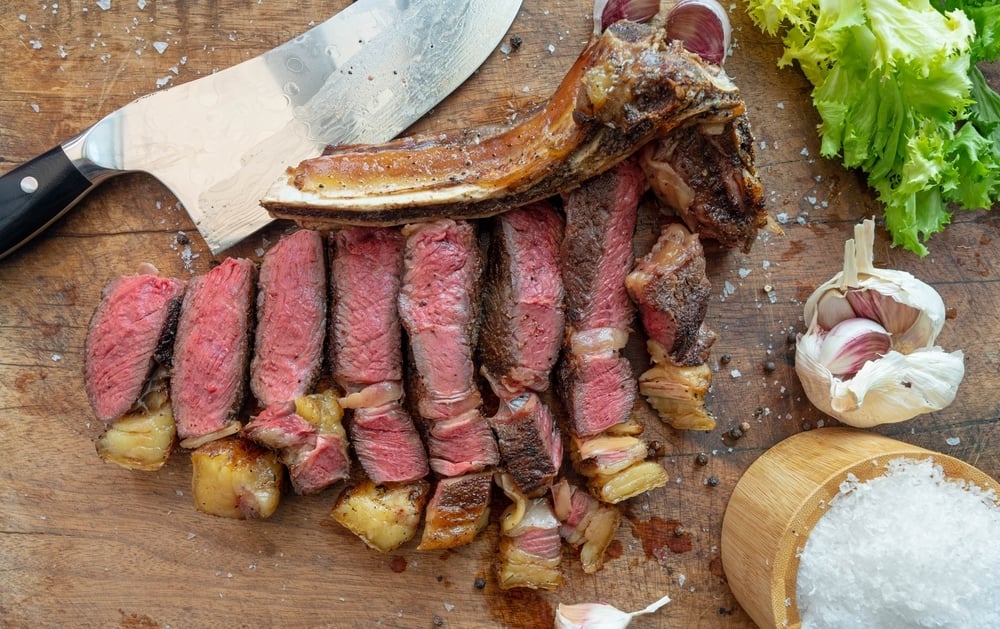
3 TYPES OF SIGNATURE FINISHING SALTS CHEFS RELY ON
1. FLEUR DE SEL & ARTISAN SEA SALTS
What it is:
Fleur de sel is harvested from the surface of salt ponds under precise conditions of sun, wind, and evaporation. The crystals are delicate, irregular, and naturally formed—never mechanically processed.
Why chefs use it:
- Clean, nuanced salinity
- Light crunch that dissolves gently on the tongue
- Enhances flavor without overwhelming it
Unlike refined salts, fleur de sel delivers clarity rather than intensity, making it ideal for final seasoning.
Best applications:
- Seared meats and roasted proteins
- Vegetables finished with olive oil or butter
- Butter-forward preparations and simple sauces
2. HIMALAYAN PINK SEA SALT
What it is:
Himalayan Pink Sea Salt is harvested from ancient sea deposits deep within the Himalayan mountains. Its natural pink hue comes from trace minerals, including iron and magnesium, which remain intact due to minimal processing.
Why chefs use it:
- Naturally mineral-rich with subtle flavor complexity
- Gentle crunch that adds texture without heaviness
- Distinct visual appeal that elevates presentation
These mineral characteristics create a softer, more rounded salinity that works particularly well as a finishing salt.
Best applications:
- Grilled and roasted meats
- Vegetables finished with citrus or herbs
- Chocolate, caramel, and modern desserts
3. COARSE SEA SALTS (MEDITERRANEAN & GREY SALTS)
What they are:
Coarse sea salts, including Mediterranean and grey salts, are defined by their larger, irregular crystals and minimal refining. These salts retain natural moisture and trace minerals, giving them a more expressive texture than fine salts.
Why chefs use them:
- Larger crystals create tactile contrast
- Clean, light salinity with controlled release
- Partial dissolution delivers bursts of flavor rather than uniform saltiness
Because they dissolve more slowly, coarse salts allow chefs to season with precision while preserving ingredient integrity.
Best applications:
- Finishing roasted and grilled proteins
- Vegetables and composed salads
- Bread, focaccia, and crust applications
- Select cooking applications where texture matters
HIGHLIGHT: PARIS GOURMET’S CURATED SALT SELECTION
At Paris Gourmet, finishing salts are selected with the same care chefs apply to their plates. Each salt in our collection is carefully chosen for its consistency, origin, and reliability in professional kitchens.
Coarse Sea Salt
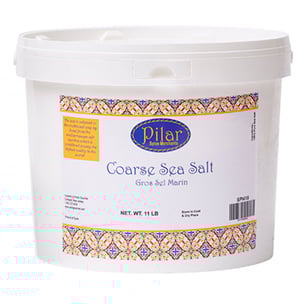
- Large, grey, irregular crystals
- Emphasizes texture and artisanal character
- Ideal for chefs seeking a clean, expressive finishing salt with visual presence
HIMALAYAN PINK SEA SALT
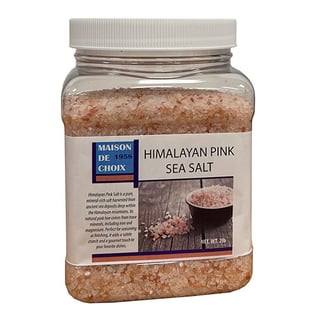
- Naturally mineral-rich with a distinctive pink hue
- Subtle crunch and balanced salinity
- Adds both flavor complexity and refined presentation
La Baleine Coarse Sea Salt
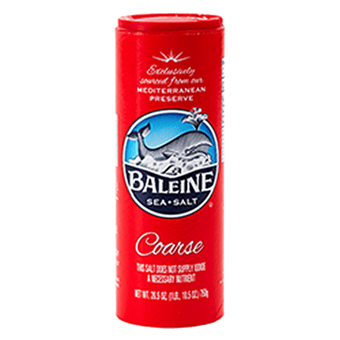
- Harvested from the Camargue, France
- Soft crystals that dissolve quickly for a clean burst of flavor
- Balanced texture suitable for both finishing and cooking
- Trusted heritage brand since 1934
La Baleine Fine Sea Salt
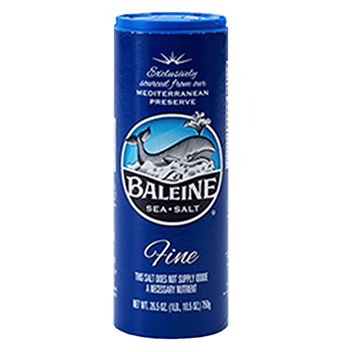
- Finely ground for precision seasoning
- Consistent performance across applications
- Reliable choice for professional kitchens that demand control
Together, these salts form a versatile toolkit, allowing chefs to choose not just how much salt to use, but also how that salt behaves, looks, and finishes a dish.
WHERE THESE FINISHING SALTS SHINE ON A MENU:
Across menus, these finishing salts play different roles depending on texture, temperature, and fat content:
Seared meats and roasted proteins:
- A final pinch adds brightness and contrast to rich, caramelized surfaces.
- Coarse or flaked salts provide a subtle crunch that enhances the natural savoriness of the protein.
Fresh vegetables and composed salads:
- Finishing salt brings clarity to raw and lightly cooked vegetables, amplifying sweetness and acidity while adding texture that complements crisp greens or tender vegetables.
Butter, oils, and sauces:
- Salt applied at the finish helps define richness.
- A few crystals can lift aromatics, balance fat, and add dimension to otherwise smooth components.
Chocolate, caramel, and modern desserts:
- In sweet applications, finishing salt creates tension—cutting sweetness, enhancing depth, and adding an unexpected textural element that keeps flavors in balance.
THE FINAL TOUCH STARTS WITH THE RIGHT SOURCE: PARIS GOURMET
In professional kitchens, excellence is defined by attention to detail. The right salt, applied at the final moment, brings clarity and contrast to a dish.
Paris Gourmet and Maison de Choix are partners in that pursuit. Through a carefully curated selection of finishing salts, we provide chefs with ingredients that support intentional cooking and refined execution—so every plate is finished with purpose.
Browse our collection of top-of-the-line ingredients to get inspired today.