- By Charlotte Brown
- March 25, 2026
Cold-smoked salmon has long held a place in professional kitchens—from classic brunch service to refined tasting menus. But not all cold-smoked salmon performs the same on a plate.
Differences in smoke intensity, origin, curing methods, and texture all influence how smoked salmon integrates into a dish. Whether you’re building a composed appetizer or elevating a charcuterie board, selecting the right product can dramatically impact flavor balance and presentation.
In this guide, we’ll break down how Scottish smoked salmon and Atlantic smoked salmon differ, and how Blue Epicure Seafood’s Black Label and Red Label smoked salmon can be used strategically across your menu.
What Is Cold-Smoked Salmon?
Cold-smoked salmon is salmon that has been cured and smoked at temperatures below 55°F.
Unlike hot-smoked salmon (which is cooked during the smoking process), cold-smoked salmon retains a silky, almost raw texture with a delicate, layered smokiness.
This cold-smoking process results in several defining characteristics:
- A smooth, sliceable texture ideal for plating
- Preserved freshness and vibrant color
- A balanced interplay of salt, fat, and smoke
For chefs, cold smoking offers precision. It allows the natural richness of the salmon to remain intact while introducing controlled smoke.
How Does Smoking and Curing Impact Flavor and Texture?
The final profile of cold-smoked salmon is shaped by a combination of technique and sourcing. Even subtle variations in process can lead to dramatically different results.
Key factors that influence the flavor of salmon:
- Wood type: Hickory, for example, delivers a deeper, more assertive smoke compared to lighter woods
- Cure time: A traditional 24-hour cure enhances flavor penetration and texture consistency
- Smoking temperature: Maintaining temperatures below 55°F preserves the delicate structure of the fish
Texture spectrum:
Cold-smoked salmon can range from:
- Silky and almost buttery
- To slightly drier with more structure
Flavor spectrum:
- Light, nuanced smoke that supports other ingredients
- Bold, full smoke that stands out on the palate
A delicate smoke complements subtle flavors, while a stronger smoke can anchor richer, more indulgent dishes.
Atlantic vs. Scottish Smoked Salmon: What’s the Difference?
Understanding the distinction between Atlantic smoked salmon and Scottish smoked salmon is key to choosing the right product for your application.
Atlantic Smoked Salmon (Red Label)
Atlantic smoked salmon is known for its more assertive profile. Blue Epicure Seafood’s Red Label delivers:
- A fuller, hickory-forward smoke
- A soft yet slightly dry texture
- A more pronounced, savory presence
This type of cold-smoked salmon holds its own against bold accompaniments and richer dishes.
Scottish Smoked Salmon (Black Label)
Scottish smoked salmon, by contrast, offers a more refined experience. Blue Epicure Seafood’s Black Label features:
- A lighter smoke intensity
- A nutty, buttery finish
- A silky, elegant texture
This profile allows the salmon to integrate seamlessly into delicate compositions without overpowering other ingredients.
Quick Comparison: Atlantic vs. Scottish Smoked Salmon
|
Attribute |
Atlantic Smoked Salmon |
Scottish Smoked Salmon |
|
Smoke Intensity |
Bold, full |
Light, delicate |
|
Texture |
Soft, slightly dry |
Silky, smooth |
|
Flavor Profile |
Hickory-forward |
Buttery, nutty |
|
Best Applications |
Brunch, sandwiches |
Fine dining, appetizers |
Product Spotlight: Blue Epicure Seafood Smoked Salmon
For chefs seeking consistency and quality, Blue Epicure Seafood offers two distinct smoked salmon options designed for professional kitchens.
Red Label Atlantic Smoked Salmon
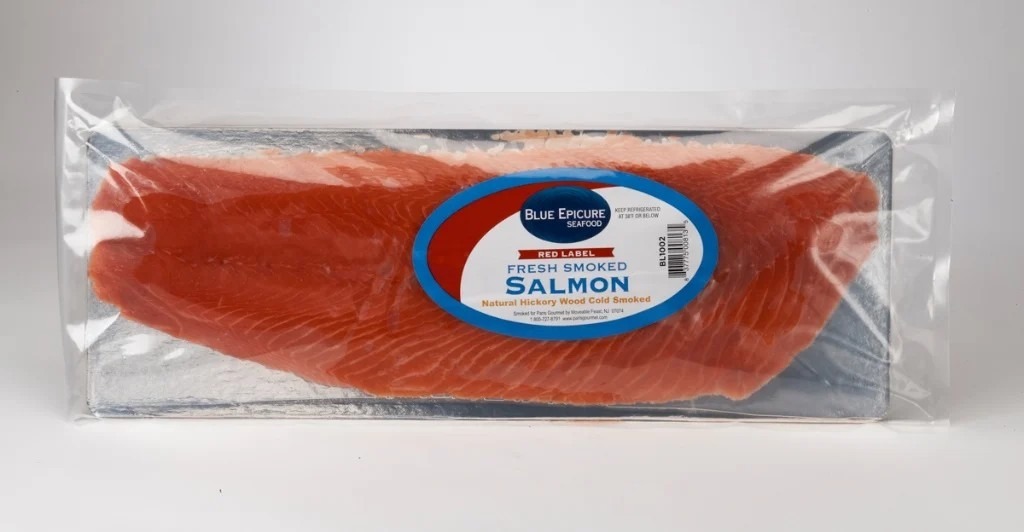
- Fresh Atlantic salmon fillets
- Cold smoked under 55°F over whole hickory logs
- Hand-cured for 24 hours
- Full smoke flavor with a soft, slightly dry texture
- Expertly sliced into consistent portions (40 slices)
This product is ideal when you want smoked salmon to be a focal point—delivering bold flavor that stands up to rich accompaniments.
Black Label Scottish Smoked Salmon
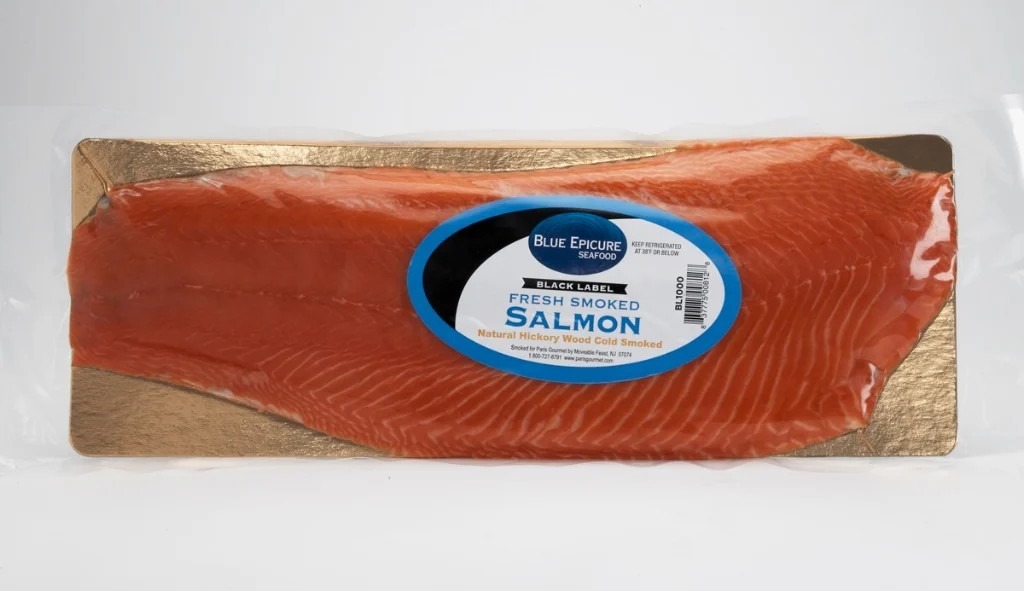
- Fresh Scottish salmon fillets
- Cold smoked under 55°F over whole hickory logs
- Hand-cured for 24 hours
- Nutty, buttery flavor with a lighter smoke
- Silky texture and refined finish
This option excels in applications where balance and subtlety are key, allowing chefs to highlight precision and restraint in their dishes.
Choosing the Right Cold-Smoked Salmon for Your Menu
Selecting the right cold-smoked salmon depends on how you want it to function within a dish.
Consider:
- Dish type: Is this a casual brunch item or a composed fine dining plate?
- Flavor role: Should the salmon stand out or complement?
- Presentation style: Are you layering flavors or keeping the plate minimal?
Quick Guidance
- Choose Atlantic smoked salmon when you want a bold, smoky presence
- Choose Scottish smoked salmon when you want balance, elegance, and finesse
Menu Applications: How Chefs Use Cold-Smoked Salmon
Cold-smoked salmon’s versatility makes it a staple across multiple menu categories.
Brunch & Café Classics
From bagels and lox to eggs Benedict and tartines, brunch dishes often feature rich, creamy components.
Atlantic smoked salmon works particularly well here, as its fuller smoke cuts through fat and adds depth to familiar formats.
Charcuterie & Boards
On charcuterie boards, balance is everything. Smoked salmon can complement cheeses, nuts, fruits, and spreads without overwhelming them.
Scottish smoked salmon is best for a lighter, more nuanced profile that enhances overall harmony while adding sophistication.
Composed Appetizers
In composed dishes, presentation and layering are critical. Chefs often use cold-smoked salmon for:
- Rosettes or folds
- Crudo-style plating
- Layered textures with acidity and fat
Here, choosing the right smoke intensity ensures the salmon integrates seamlessly into the dish.
Fine Dining Presentations
In refined applications, restraint is key. Minimalist plating allows each ingredient to shine.
Cold-smoked salmon pairs beautifully with:
- Citrus gels or segments
- Crème fraîche or cultured dairy
- Microgreens and delicate herbs
Scottish smoked salmon, with its lighter smoke and buttery finish, is particularly well-suited for these elevated presentations.
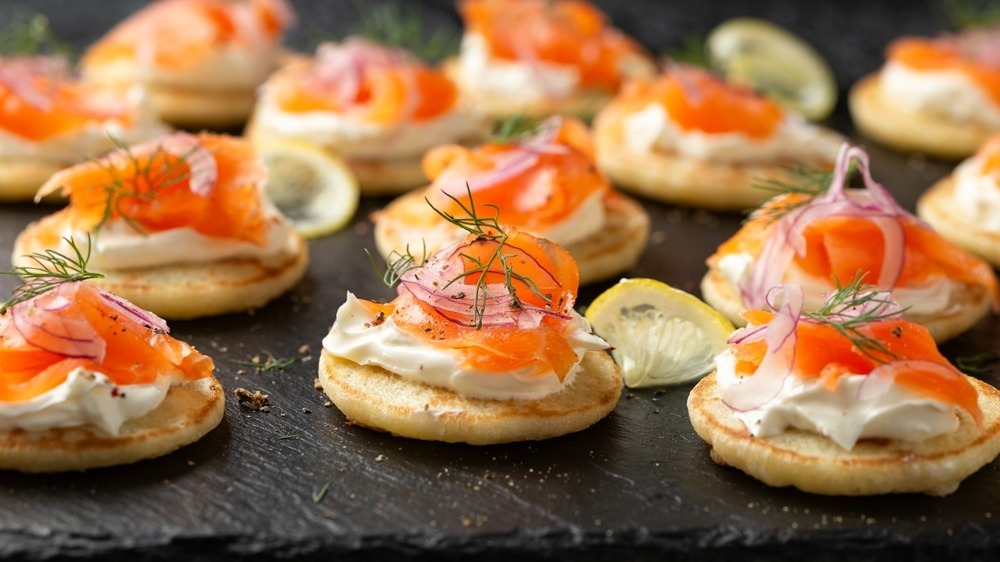
Chef Tip: How to Balance Smoke with Other Flavors
To maximize the impact of cold-smoked salmon, balance is essential.
- Add acidity (lemon, vinegar, pickled elements) to cut through richness
- Incorporate fat (cream, butter, oils) to soften stronger smoke profiles
- Create texture contrast with crisp elements like crostini or seeds
One key principle: avoid overpowering delicate smoked salmon with heavy or overly complex sauces. Let the product's quality lead.
Elevate Your Menu with the Right Cold-Smoked Salmon
Cold-smoked salmon is more than a staple—it’s a strategic ingredient that can elevate dishes across your menu.
Whether you’re building bold brunch offerings or refined plated dishes, selecting the right smoked salmon makes all the difference.
Explore Blue Epicure Seafood’s Black Label and Red Label smoked salmon through Paris Gourmet to bring both versatility and precision to your kitchen—and discover how the right profile can transform even the simplest dish.
Cold-Smoked Salmon FAQs: