- By Charlotte Brown
- June 02, 2026
There's a tension living inside every professional kitchen: the pressure to move faster, waste less, and do more with fewer hands while still producing food that keeps guests coming back.
Operators have heard the standard playbook for years: cross-train your staff, tighten your mise en place, and run a tighter inventory. But the kitchens that are genuinely thriving right now aren't just executing fundamentals better—they're rethinking where labor gets applied, when quality decisions get made, and which production steps actually require their best culinary talent on the clock.
The result is a more efficient kitchen operation without compromising food quality, consistency, or guest experience.
Key Takeaways:
|
Why Restaurant Back-of-House Operations Matter More Than Ever
Restaurant operators face mounting challenges:
- Rising labor costs
- Ongoing staffing shortages
- High employee turnover
- Increased pressure to maintain consistency
- Growing guest expectations
According to industry estimates, restaurant employee turnover remains among the highest of any industry, forcing operators to continuously recruit, onboard, and train new team members.
Because of this reality, the question can no longer be:
"How do we prep this faster?"
Instead, operators must ask:
"Does this task need to happen here, at this moment, by this person?"
The Hidden Labor Leak: Where Kitchen Time Actually Goes
Most operators can quickly tell you their food cost percentage. Far fewer can explain how kitchen labor is distributed throughout the week.
When back-of-house workflows are analyzed, a common pattern emerges: highly skilled employees spend a significant portion of their time performing repetitive, high-volume tasks such as:
- Peeling vegetables
- Portioning ingredients
- Butchering proteins
- Producing foundational sauces
- Preparing standard pastry components
These tasks are necessary—but not always the best use of highly skilled labor.
When your $28-an-hour sous chef spends ninety minutes breaking down cases of shallots before service, the issue isn't preparation itself. It's workflow design.
Signs Your Kitchen Has a Workflow Problem:
You may have a workflow issue if:
- Prep regularly overlaps with service
- Ticket times vary significantly by shift
- Food quality changes depending on who's working
- Highly paid employees spend hours on repetitive prep tasks
- Waste recovery efforts are inconsistent
- Staff frequently feel overwhelmed during peak service
Many successful operators evaluate production tasks using a simple framework:
The BOH Workflow Architecture Matrix
One useful way to evaluate kitchen workflows is to classify tasks according to two variables:
- Skill required — Does the task require culinary expertise or creative judgment?
- Production volume — How often is the task performed?
High-performing kitchens often evaluate tasks based on two variables:
The BOH Workflow Architecture Matrix |
||
|---|---|---|
|
Low Volume |
High Volume |
|
|
High Skill |
Signature dishes, specialty sauces, seasonal menu development |
Potential efficiency bottlenecks that should be closely evaluated |
|
Low Skill |
Standard prep work |
Strategic sourcing opportunities |
The goal isn't to eliminate scratch cooking.
The goal is to reserve scratch production for areas that genuinely differentiate the menu.
Developing a signature sauce, refining a seasonal tasting menu, or executing intricate finishing work belongs firmly in the high-skill category. Producing hundreds of tart shells, fruit purées, puff pastry sheets, or foundational stocks every week may not.
High-performing kitchens regularly audit their workflows using this framework to determine which tasks should remain in-house and which can be standardized through strategic sourcing.
4 Ways Restaurants Can Streamline Back-of-House Operations and Maintain 5-Star Work
Successful restaurants know that improving back-of-house efficiency isn't about cutting corners. It's about creating systems that reduce unnecessary labor, improve consistency, and allow kitchen teams to focus on the work that has the greatest impact on the guest experience.
1. Invest in Semi-Prepared Ingredients: A Strategic Tool, Not a Shortcut
Many operators still think of ready-to-use ingredients as convenience products.
Today's professional foodservice landscape offers something very different: premium ingredients designed to function as culinary building blocks.
The Pastry Station:
Sourcing a high-quality praline paste doesn't diminish a pastry program. It allows pastry chefs to spend more time on:
- Viennoiserie
- Plated desserts
- Laminated doughs
- Advanced finishing techniques
The Savory Kitchen:
Using a premium demi-glace base doesn't mean cutting corners. It creates:
- Greater consistency between shifts
- Reduced labor requirements
- More predictable execution
- Additional time for final seasoning and presentation
The difference isn't the ingredient itself.
The difference is knowing where standardization creates value.
Common Ingredients Restaurants Successfully Source
Many successful operations strategically source:
- Fruit purées
- Praline pastes
- Demi-glace bases
- Tart shells
- Puff pastry
- Specialty chocolates
- Premium condiments
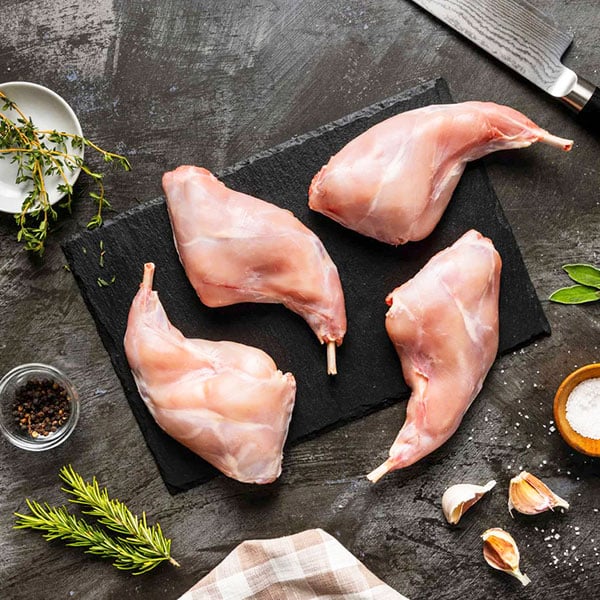
- Pre-portioned specialty proteins
These products help reduce labor-intensive production without sacrificing finished dish quality.
Three Principles of Strategic Sourcing:
1. Standardize the Base, Customize the Finish
Consistency starts with reliable foundations.
A standardized base creates predictability while allowing chefs to add signature flavors and finishing touches.
2. Protect Your Anchor Flavors
Every menu contains a handful of elements that define the restaurant. These should remain in-house.
Everything else should be evaluated based on operational value.
3. Measure the Total Cost of Quality
Ingredient cost alone tells only part of the story. Evaluate:
- Labor hours
- Waste reduction
- Utility costs
- Training requirements
- Consistency improvements
In many cases, premium ready-to-use products deliver a lower total cost despite a higher purchase price.
2. Rethink Prep as a Production System
Many kitchens still plan prep reactively. A better approach treats production like a manufacturing system.
Implement Rolling Par Targets
Rather than rebuilding prep lists daily, establish production targets with several days of visibility. This smooths labor demands and reduces surprises.
Decouple Production from Service
Tasks that can be completed 24–48 hours in advance should never compete with active service. Production should support service, not occur during it.
Build Quality Checks Into Prep
Quality control should happen before service begins.
Batch components should be tasted, adjusted, and documented during production rather than corrected at the pass.
3. Focus on Waste Reduction Beyond the Basics
Most restaurants focus on:
- Portion control
- Spoilage tracking
- Overproduction reduction
These are important, but they're only the beginning.
The highest-performing kitchens design secondary ingredient uses into the menu from the start.
Example:
Vegetable Trim → House Stock
Protein Trimmings → Braises or Specials
Overripe Fruit → Sorbets, Fillings, or Shrubs
The goal is to create a planned destination for every byproduct before it's generated. This approach helps kitchens achieve ingredient utilization rates of up to 95%.
4. Reduce Cognitive Load During Peak Service
One of the biggest threats to consistency isn't skill. It's decision fatigue.
What Is Peak-Service Cognitive Load?
During a busy service, cooks may be managing:
- Multiple proteins
- Several cooking methods
- Numerous garnishes
- Complex timing requirements
As complexity increases, execution errors become more likely. This is why kitchens with streamlined systems often outperform more complicated operations.
Every standardized component removes one more decision from the line cook's mental workload.
The result:
- Faster ticket times
- Fewer mistakes
- Better consistency
- Reduced stress during service
What This Looks Like in Practice:
Consider a busy 120-seat restaurant serving lunch, dinner, and weekend brunch.
Before Workflow Improvements:
- Pastry cooks spend several hours each week producing tart shells and foundational pastry components.
- Sous chefs devote significant prep time to preparing stocks, demi-glace bases, and other foundational ingredients.
- Prep frequently extends into service periods.
- New hires require extensive training before they can consistently execute recipes.
- Quality varies depending on who is working a particular shift.
After Strategic Workflow Improvements:
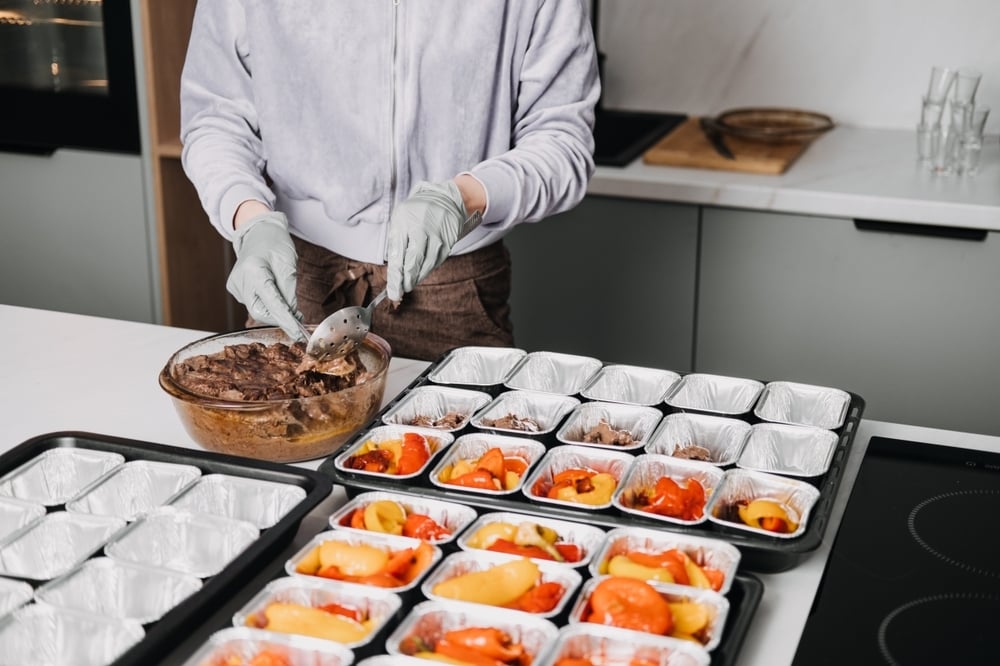
The restaurant begins sourcing premium tart shells, fruit purées, puff pastry, and demi-glace bases while keeping all recipe development, seasoning, assembly, and finishing work in-house.
The Result:
- Prep is completed earlier in the day.
- Labor hours are redirected toward menu development and guest-facing execution.
- New staff members become productive more quickly.
- Consistency improves across shifts.
- Ticket times become more predictable during peak service.
The food doesn't become less chef-driven.
The kitchen simply redirects labor toward the work that creates the greatest impact for guests.
Frequently Asked Questions About Restaurant Back-of-House Operations
What are back-of-house operations in a restaurant?
Back-of-house operations encompass all activities that support food production and service, such as receiving, inventory management, storage, food preparation, production planning, kitchen workflows, quality control, and dishwashing. Strong back-of-house systems help restaurants maintain consistency, control costs, and execute service more efficiently.
What is the biggest cause of inefficiency in restaurant back-of-house operations?
In many kitchens, inefficiency stems from workflow design rather than employee performance. When highly skilled team members spend significant time on repetitive production tasks, labor costs rise without improving the guest experience. Evaluating where labor is applied often reveals opportunities to improve efficiency without sacrificing quality.
How do restaurants improve efficiency without sacrificing food quality?
The most successful restaurants standardize foundational processes while protecting the menu elements that truly differentiate the dining experience. Many kitchens strategically source labor-intensive components such as fruit purées, tart shells, puff pastry, specialty chocolates, and premium stocks while keeping recipe development, seasoning, and final execution in-house.
When does strategic sourcing make sense for a professional kitchen?
Strategic sourcing is most effective when a component requires significant labor, must be produced consistently at scale, and contributes little to menu differentiation. Operators should evaluate the total cost of production—including labor, waste, utilities, training, and consistency—not simply ingredient cost.
How to Audit Your Restaurant's Back-of-House Operations
To identify efficiency opportunities, ask:
- Which prep tasks consume the most labor?
- Which tasks truly require culinary expertise?
- Which ingredients generate the most waste?
- Where does inconsistency occur between shifts?
- Which processes regularly overlap with service?
- Which production steps could be standardized?
Even small improvements can create meaningful gains in labor efficiency, consistency, and overall kitchen performance.
Are You Ready To Build a More Efficient Back-of-House Operation?
The best kitchens aren't winning by asking their teams to work harder.
They're winning by designing smarter systems.
By strategically sourcing labor-intensive ingredients, standardizing foundational production, and protecting the work that truly requires culinary expertise, restaurants can reduce complexity, improve consistency, and create a more sustainable operation for their teams.
Paris Gourmet helps professional kitchens do exactly that.
From premium fruit purées and pastry components to specialty proteins, chocolates, condiments, and ready-to-use culinary solutions, our portfolio is designed to help chefs spend less time on repetitive production and more time creating exceptional guest experiences.
Explore Paris Gourmet's Product Portfolio and discover ingredients that support both operational efficiency and culinary excellence.
Connect with a Culinary Specialist to identify opportunities to streamline production while maintaining the standards your guests expect.