- By Charlotte Brown
- February 19, 2026
In the world of French pastry, few desserts represent precision, structure, and artistry quite like the entremet. For professional pastry chefs, these layered desserts are more than a sweet course—they are architectural compositions built on balance, technique, and visual impact.
As menus increasingly favor refined, visually striking plated desserts and pastry case centerpieces, we’re revisiting: what is an entremet, and how can it elevate today’s dessert programs?
What Is an Entremet?
An entremet (pronounced ahn-truh-MAY) is a refined French layered dessert composed of sponge cake, mousse, inserts such as crémeux or fruit compote, and finished with a glaze or velvety coating.
Originally served between courses in medieval banquets, the entremet has evolved into a highly technical pastry centerpiece.
Unlike traditional layer cakes or tortes, entremets are mousse-forward and rely on textural contrast, clean slicing, and structural integrity. Every layer plays a defined role—balancing sweetness, acidity, richness, and lightness in a carefully calibrated composition.
At its core, an entremet is about harmony: flavor, texture, and visual presentation working together in precise proportion.
The Classic Structure of an Entremet
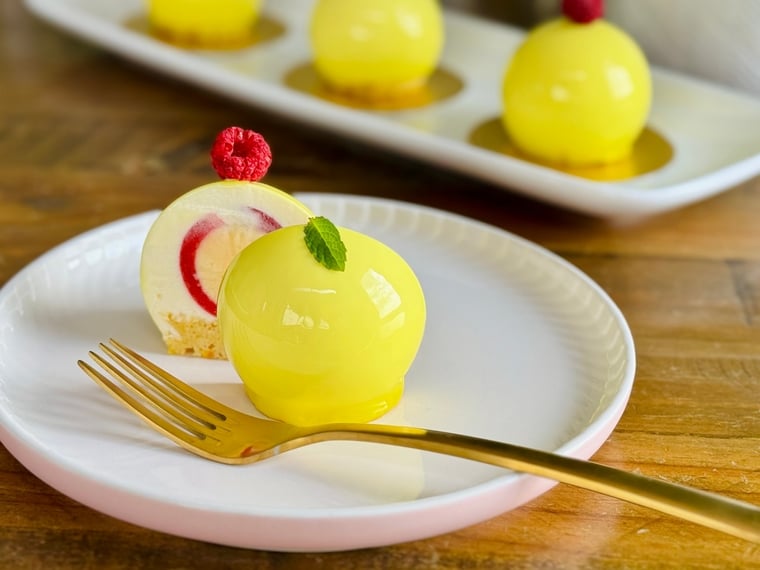
For pastry professionals, understanding the architecture of layered desserts is essential. Each component of an entremet serves a technical and sensory purpose.
1. The Base
The foundation of entremets typically consists of:
- Joconde sponge
- Biscuit
- Dacquoise
This base provides structure and moisture retention. It must be sturdy enough to support mousse layers while remaining tender and complementary in flavor.
2. The Cream or Mousse Layer
The mousse defines the dessert’s character. It acts as both:
- The primary flavor carrier
- A source of lightness and aeration
Proper emulsification, aeration, and temperature control are critical to ensure stability during freezing and glazing.
3. The Insert
An insert introduces contrast to entremets—both in flavor and texture. Common examples include:
- Chocolate or vanilla crémeux
- Fruit compote
- Salted caramel
- Praline
This layer cuts through richness or enhances depth, preventing the dessert from feeling one-dimensional.
4. The Finishing Touches
The finish is where artistry becomes visible. Options include:
- High-gloss mirror glaze
- Velvet spray coating
- Sculpted or molded designs
The final exterior defines the entremet’s visual identity, transforming it from a layered dessert into an edible showpiece.
A Brief History of Entremets
The term “entremet” originated in medieval France, where decorative dishes were served between courses to entertain guests. Over centuries, the concept evolved into the intricate pâtisserie creations associated with French pastry tradition.
By the 19th and 20th centuries, entremets became elaborate centerpieces in patisseries—defined by technical layering, precise freezing, and immaculate glazing.
Today, modern pastry chefs have refined the format further, adapting it into individual portions and contemporary designs suited for tasting menus, pastry boutiques, and upscale events.
Entremets in the Modern Professional Kitchen
While traditional entremet recipes showcase advanced technique, building them from scratch requires:
- Significant labor
- Controlled freezing cycles
- Precise glazing execution
- Exact temperature management
- Skilled assembly and finishing
In high-volume environments, maintaining consistency across service days or across multiple locations can be challenging. Yet entremets remain highly desirable menu items because they:
- Deliver strong visual impact
- Command premium pricing
- Serve as focal points in pastry displays
- Elevate the perceived sophistication of a menu
The demand for layered desserts has only grown, particularly as guests seek refined, Instagram-worthy presentations without sacrificing flavor balance.
Introducing Jean Noel Entremets: French Craftsmanship, Simplified
Jean Noel offers a curated collection of refined, ready-to-serve entremets designed specifically for professional pastry operations.
Each creation maintains the classical structure of a traditional French entremet—balanced layers, clean finishes, and harmonious flavor profiles—while eliminating the labor-intensive preparation typically required.
For pastry chefs navigating tight labor margins and increasing visual expectations, Jean Noel entremets provide consistency, efficiency, and elegance in equal measure.
Featured Entremets from the Jean Noel Collection:
Jean Noel’s collection translates the classical architecture of French layered desserts into ready-to-serve creations that preserve technical integrity while simplifying execution.
Each entremet maintains the essential components—balanced layers, defined textures, and refined finishes—allowing pastry chefs to deliver high-impact presentations with confidence and efficiency.
Chocolate Hazelnut Entremet
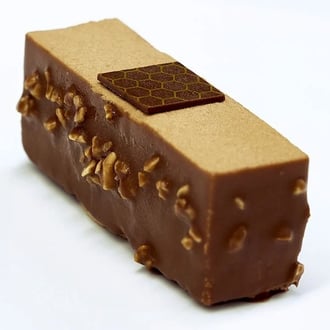
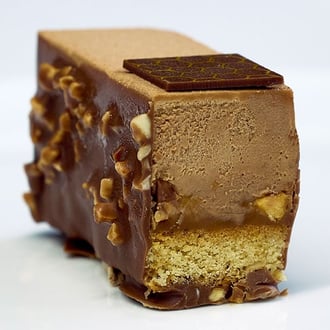
A structured composition built around nut depth and chocolate richness.
Key Components:
- Hazelnut shortcake base
- Creamy caramel with toasted hazelnuts
- Smooth chocolate mousse
- Almond–chocolate glaze finish
Why It Works:
- Balanced crunch and creaminess
- Classic flavor profile with contemporary execution
- Ideal for chocolate-focused menus and winter offerings
Mango Caramel Entremet
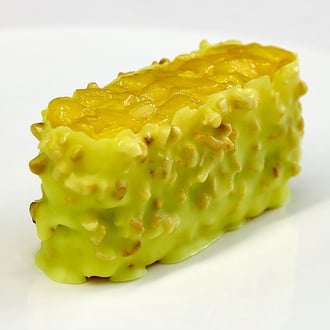
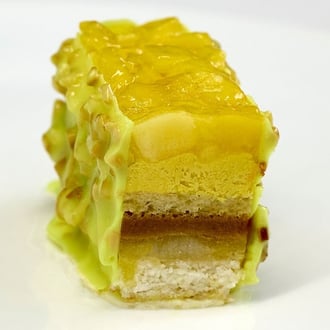
A tropical-forward entremet that balances brightness with warmth.
Key Components:
- Mango–caramel pineapple compote
- Almond–coconut biscuit
- Airy mango mousse
- Golden almond chocolate glaze
- White chocolate velvet spray finish
Why It Works:
- Controlled acidity balanced by caramel notes
- Light, layered texture profile
- Strong seasonal versatility for plated or display formats
Rose Bud Entremet
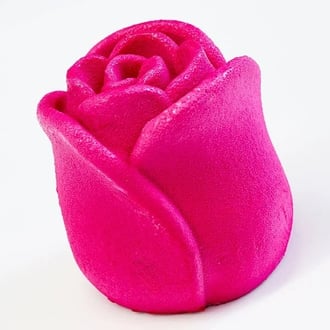
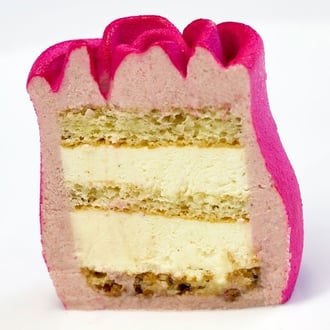
A sculptural dessert designed for visual impact and refined flavor balance.
Key Components:
- Almond biscuit base
- Vanilla mousse
- Joconde biscuits soaked in vanilla syrup
- Red fruit mousse
- Red velvet exterior
Why It Works:
- Striking presentation for pastry cases or events
- Bright fruit with soft vanilla notes
- Functions as both a dessert and an edible centerpiece
Exotic Coconut Entremet
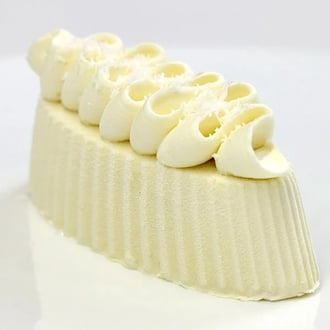
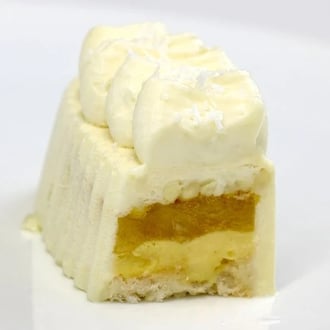
A vibrant interplay of tropical fruit, coconut, and textural contrast.
Key Components:
- Pineapple compote
- Tender coconut biscuit
- Chocolate crunchies
- Airy pineapple foam
- White velvet spray
- Coconut ganache finish
Why It Works:
- Balanced freshness and richness
- Multiple texture layers enhance mouthfeel
- Modern tropical profile without overwhelming sweetness
Vanilla Caramel Canelé Entremet
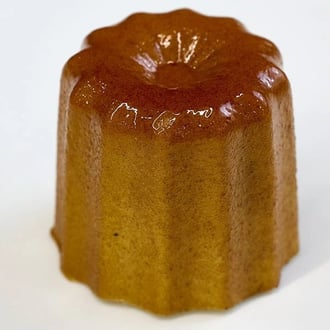
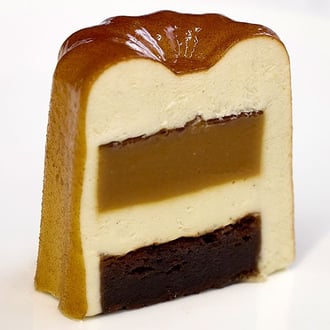
A composed dessert rooted in caramel warmth and vanilla depth.
Key Components:
- Chocolate biscuit
- Caramel cream
- Vanilla Bavarian cream
- Chocolate caramel icing
Why It Works:
- Smooth, structured layering
- Familiar flavors executed with refinement
- Adaptable across pastry cases, plated service, or banquet menus
Browse the full lineup of Jean Noel entremets to find the right layered dessert for your pastry case, plated service, or special event menu.
Why Ready-to-Serve Entremets Make Sense for Pastry Chefs
For professional kitchens, ready-to-serve entremets offer strategic advantages:
- Labor efficiency without sacrificing sophistication
- Consistent results across service days
- Reduced waste and predictable portioning
- High visual impact with minimal finishing time
- Flexibility for garnish and plating customization
As guest expectations rise and operational pressures increase, chefs must balance artistry with practicality. Jean Noel’s collection supports that balance—allowing pastry teams to maintain French pastry standards while optimizing workflow.
Frequently Asked Questions: Entremets
What is an entremet made of?
An entremet is composed of a sponge or biscuit base, one or more mousse layers, a contrasting insert such as crémeux or fruit compote, and a finished glaze or velvet coating. Each layer is designed for balance and structural integrity.
How is an entremet different from a cake?
Unlike traditional cakes, entremets are mousse-dominant and rely on layered textures rather than thick cake strata. They emphasize lightness, precise freezing, and decorative finishing techniques such as mirror glazing.
Are entremets served frozen?
Entremets are typically frozen during assembly to maintain clean layers and enable glazing. However, they are tempered before service to achieve the ideal texture and flavor expression.
What flavors work best for entremets?
A successful entremets balances richness with acidity and incorporates textural contrast. Combinations such as chocolate and hazelnut, mango and caramel, or fruit with crémeux layers are particularly effective in maintaining depth without heaviness.
Transform Your Dessert Case with Jean Noel Entremets
Explore the complete Jean Noel entremet collection to bring the elegance of French layered desserts to your menu—without compromising consistency, efficiency, or presentation.