- By Charlotte Brown
- August 12, 2026
Sushi's influence on American menus keeps growing well beyond dedicated sushi restaurants.
According to Technavio's Sushi Restaurants Market report, the global sushi restaurants market is projected to grow by $3.92 billion between 2025 and 2029, which means diners are hunting for that flavor profile — thin-sliced fish, umami, rice, seaweed — whether or not a sushi bar is on the menu.
The catch: Not every kitchen can staff a sushi station, train a sushi chef, or manage the cold-chain handling raw fish demands.
You don't need any of that to capture the demand. Smoked salmon, gravlax, and tinned seafood already carry the texture, richness, and umami sushi is known for.
Here are five sushi-inspired small plates you can build with products you can source today, plus what makes each one work on your menu.
Key Takeaways:
- Smoked salmon, gravlax, and tuna replicate nigiri, poke, and crudo — no raw-fish prep required.
- The sushi restaurant market is set to grow to $3.92 billion by 2029, proof this flavor profile isn't fading.
- Five ready-to-plate concepts use product you can source right now.
What Makes a Dish "Sushi-Inspired" Without a Sushi Kitchen?
A dish earns the label "sushi-inspired" when it borrows sushi's core techniques (thin-sliced protein, umami-forward garnish, and composed, bite-sized presentation) without requiring sushi rice, raw-fish handling, or a dedicated sushi chef. That distinction matters for your kitchen and your P&L alike.
Why does that matter right now? Because the underlying demand isn't going anywhere. The global salmon market is on pace to grow from $30.59 billion in 2025 to $39.61 billion by 2029, a 6.7% CAGR driven in part by demand for smoked salmon formats, according to a 2025 salmon market report. That's a signal that these ingredients have staying power on a menu, not a seasonal blip you'll be pulling off the board by next quarter.
Here’s Our Take:
We work with operators every day who assume "sushi-inspired" means a sushi-adjacent skill set. It doesn't. It means composing what you already know how to plate with product that's already portioned, cured, or preserved for you.
How Does Smoked Salmon Work as a No-Rice Nigiri Alternative?
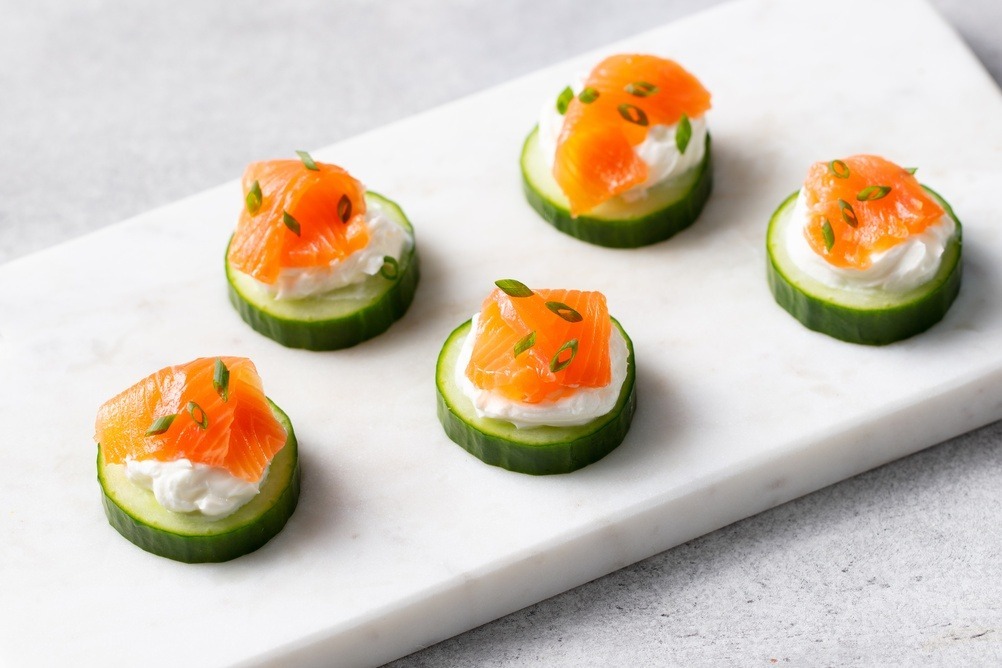
Smoked salmon works as a nigiri stand-in because it already has the glossy sheen, buttery texture, and cured depth diners associate with sushi-grade fish without the cold-chain handling raw fish demands. Slice it thin, drape it over a base, and you're most of the way to a nigiri-style presentation.
Try Black Label Smoked Salmon for a richer, fattier bite, or Red Label Smoked Salmon for a milder flavor that plays well on a shared board.
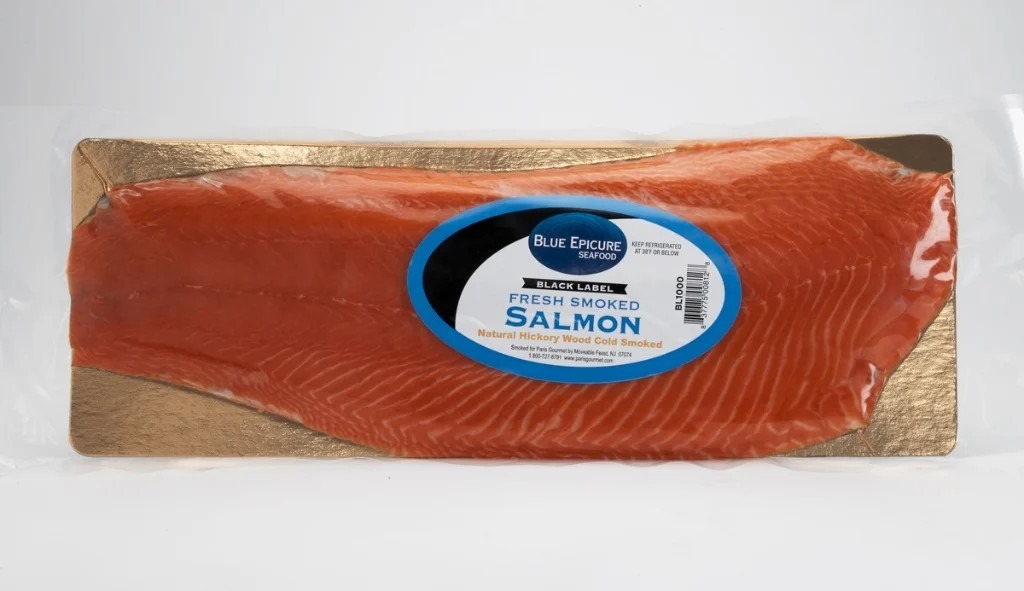
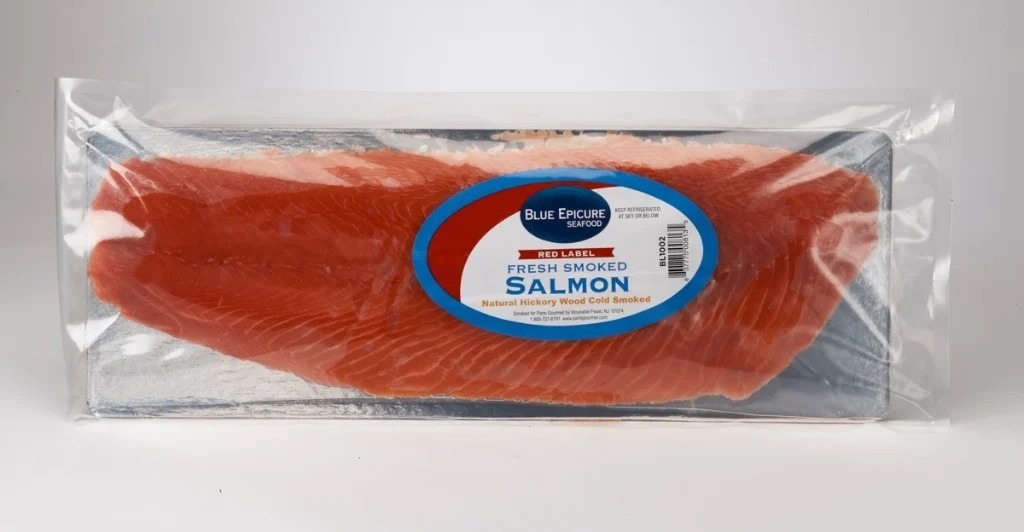
Both work draped over cucumber rounds, seasoned rice cakes, or even a simple cracker, finished with sesame, scallion, pickled ginger, or a dot of yuzu kosho.
If your team prefers to portion in-house, Unsliced Black Label Smoked Salmon gives your kitchen full control over thickness and yield.
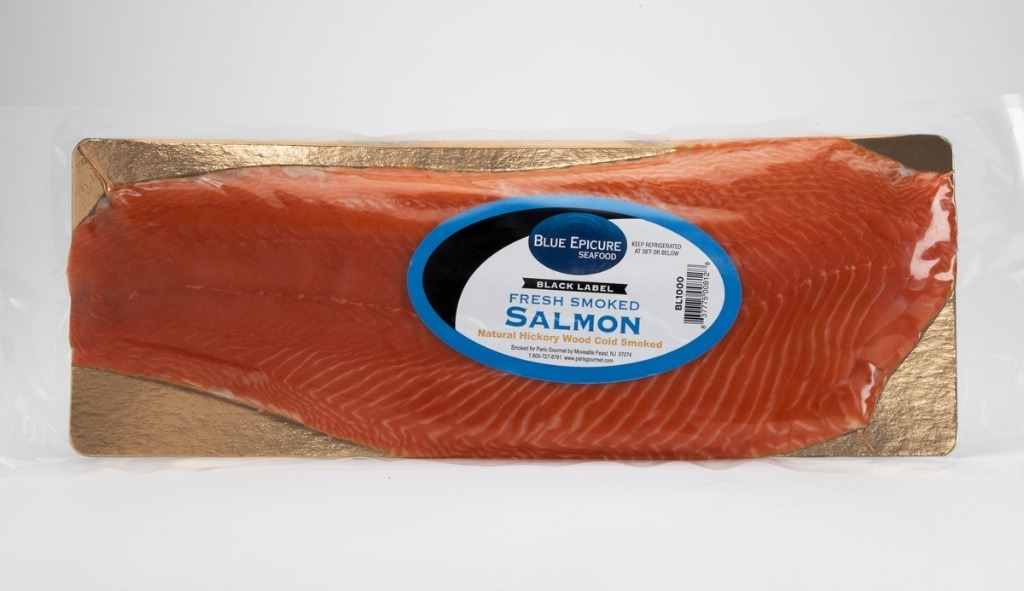
Chef Tip: Our technical team recommends slicing smoked salmon on a slight bias, right before service rather than pre-portioning it. The angled cut mimics a sushi chef's knife work and keeps the fish from drying out under heat lamps.
How Can Salmon Gravlax Deliver a Poke-Style Bite?
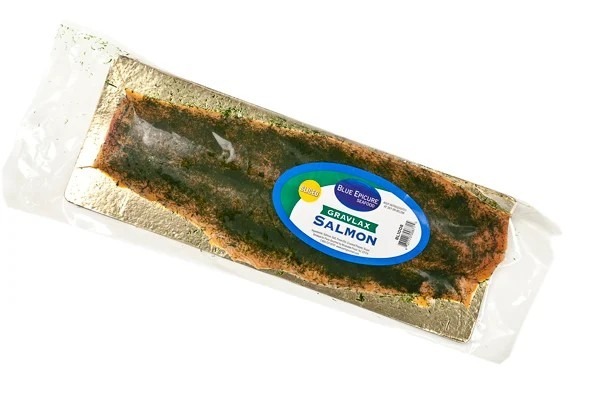
Salmon gravlax delivers a poke-style bite because its cure already carries the sweet-salty, dill-forward flavor poke relies on — you're just changing the cut and the dressing.
Dice it small, toss it with soy, sesame oil, scallion, and avocado, and serve it in a small cup or spoon for easy bar service.
Salmon Gravlax:
Gravlax Salmon is cured in salt, sugar, and traditionally dill (never smoked), which produces a silky, ready-to-slice texture that's well suited to poke- and crudo-style plating.
It’s already portioned and cured, so your line doesn't need to build a curing program from scratch to offer something that reads as composed and intentional. It's an easy way to add a shareable, chilled bite to a bar menu without adding a single new piece of equipment.
Gravlax's poke-style versatility makes it one of the easier wins for a bar menu: No fryer, no grill, just a knife and a mixing bowl.
Solid Tuna in Olive Oil Makes an Easy Crudo-Style Small Plate
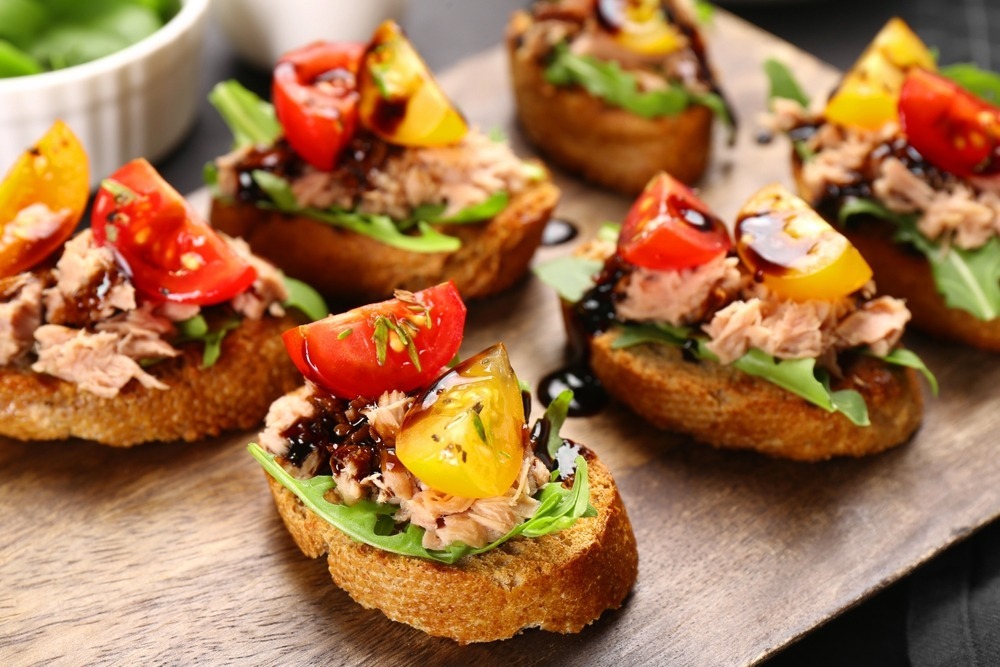
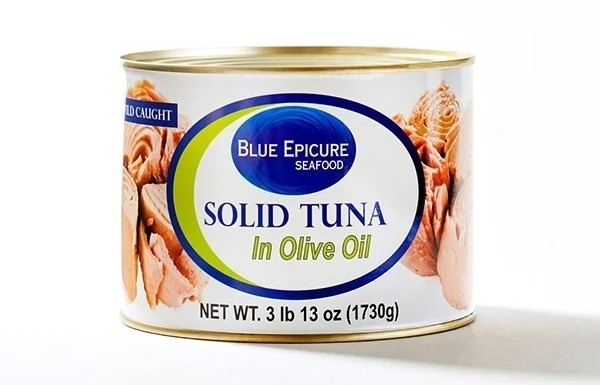
Solid tuna in olive oil makes an easy crudo-style small plate because it's already cooked and preserved, which means no raw-tuna sourcing, no sushi-grade certification, and no same-day handling risk.
Flake it over crostini, or spoon it into a small bowl with citrus, chili flake, and fresh herbs, and you land somewhere between a tonnato and a crudo.
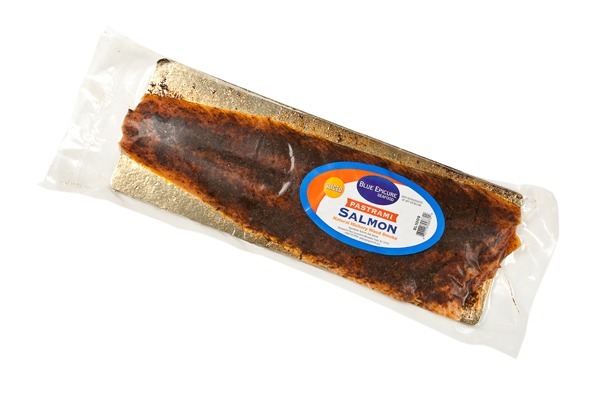
Pastrami Salmon Adds a Smoky Twist to a Maki-Style Board
Pastrami Salmon adds a smoky twist to a maki-style board because its peppery, cured crust brings a depth plain smoked salmon doesn't have, which is exactly what helps a seafood board stand out on a menu full of the same three appetizers.
Lay it alongside cream cheese, capers, and thin-sliced pickle for a deconstructed roll effect, or roll it around a filling for a maki-inspired presentation.
Chef Insight: We've found operators get the most mileage out of Pastrami Salmon when they pair it with something acidic — a caper berry, a squeeze of lemon, a quick-pickled shallot. The smoke and pepper need a bright counterpoint, or the plate reads one-note.
Why Are Sardines a Natural Fit for Temaki-Style Hand Rolls?
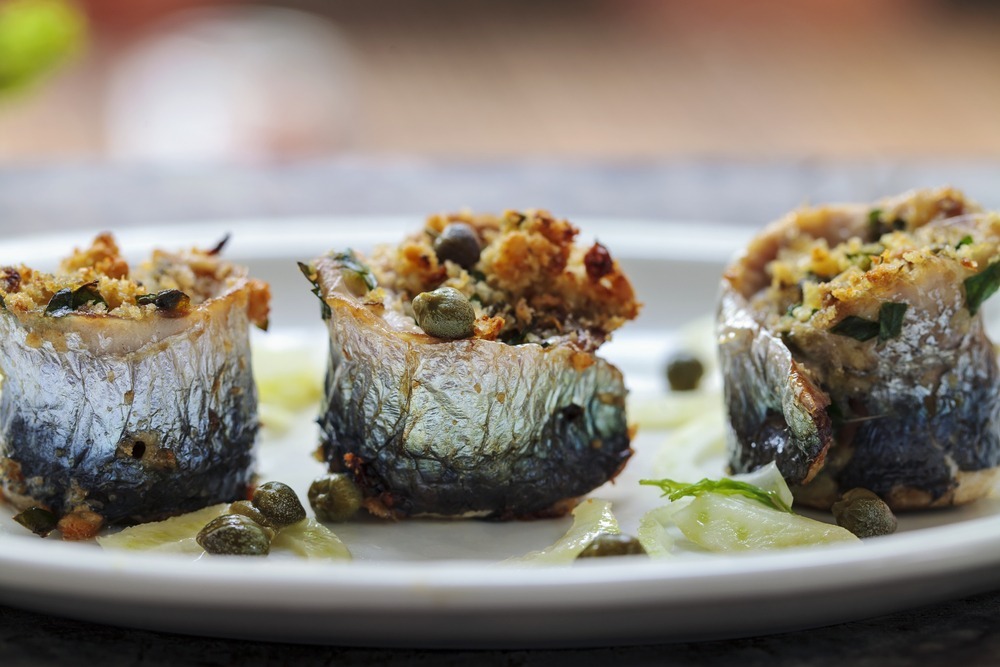
Sardines are a natural fit for temaki-style hand rolls because they're already seasoned, quick to plate, and riding a real shift in how diners think about tinned seafood.
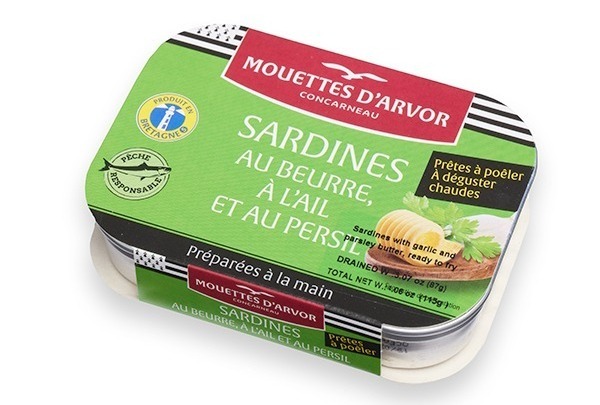
Tuck Sardines With Garlic Parsley Butter into a nori or lettuce cup with rice, herbs, and a squeeze of citrus, and you have a hand-roll-style bite with almost no active prep time.
Why chase a raw-fish supply chain when the flavor profile is already sitting on your dry-storage shelf?
How Do These Five Blue Epicure Seafood Products Map to Sushi-Style Formats?
Each product swaps in for a specific sushi format. Use this chart to match one to what's already selling on your menu:
Five Products, Five Sushi-Style Formats: |
|||
|---|---|---|---|
|
Blue Epicure Product: |
Sushi-Style Analog: |
How to Plate: |
Why It Works: |
|
Black Label / Red Label Smoked Salmon |
Nigiri |
Thin-sliced over rice, cucumber, or cracker |
Cured richness reads as sushi-grade without raw fish |
|
Salmon Gravlax |
Poke |
Diced, tossed with soy, sesame oil, avocado |
Dill-cured flavor already matches poke's profile |
|
Solid Tuna in Olive Oil |
Crudo |
Flaked over crostini or into a small bowl |
Shelf-stable, no raw-tuna sourcing needed |
|
Pastrami Salmon |
Maki board |
Alongside cream cheese, capers, pickle |
Smoky-peppery crust differentiates the board |
|
Sardines With Garlic Parsley Butter |
Temaki |
Tucked into nori or lettuce cups |
Pre-seasoned, rides the tinned-fish trend |
Talk to our team about sourcing Blue Epicure Seafood products for your menu.
Frequently Asked Questions About Sushi-Inspired Small Plates
Bring These Sushi-Inspired Plates to Your Menu
You don't need a sushi kitchen to give diners the shareable, umami-forward experience they're already asking for.
Smoked salmon, gravlax, tuna, pastrami salmon, and sardines each map to a familiar sushi format, and each one comes ready to plate with minimal prep.
Start with one or two on a shareable or bar menu, see what moves, and build from there.
If you'd like help sourcing product or building the plate list, talk to our team.