
- By Charlotte Brown
- May 19, 2026
In modern savory kitchens, seasoning is no longer just about salt and heat. It’s about building aromatic structure, balancing herbal intensity, and creating depth without overpowering primary ingredients.
Herbes de Provence seasoning is rooted in the sun-soaked kitchens of Southern France and offers a balanced blend of savory, herbaceous, and floral notes that can elevate a wide range of modern dishes.
Traditionally used in roasted meats, slow braises, and wood-fired vegetables, herbes de Provence is far more than a rustic staple. In today’s professional kitchens, it serves as a versatile, strategic seasoning that brings layered complexity, aromatic depth, and regional authenticity to contemporary savory menus.
This guide breaks down how to use Herbs de Provence effectively. From understanding each component to applying it across contemporary dishes, while highlighting the quality and consistency of Maison de Choix Herbes de Provence with Lavender.
What Is Herbes de Provence Seasoning?
At its core, herbes de Provence seasoning is a blend of dried herbs traditionally used in Provençal cuisine.
While variations exist, Maison de Choix offers an authentic mix of:
- Basil
- Rosemary
- Thyme
- Parsley
- Savory
- Lavender
|
Herb |
Flavor Contribution |
Best Applications |
Heat Stability |
|
Rosemary |
Resinous, piney |
Roasted meats |
High |
|
Thyme |
Earthy, savory |
Braises, sauces |
High |
|
Lavender |
Floral, aromatic |
Finishing oils, lamb |
Medium |
|
Basil |
Sweet, green |
Vegetables, oils |
Lower |
This balance of savory, herbaceous, and lightly floral notes creates a seasoning that is both grounding and expressive, ideal for chefs looking to build depth without overpowering a dish.
Quick Ways to Use Herbes de Provence in the Kitchen
- Dry rub for lamb, chicken, or pork
- Infused oil for finishing vegetables or plating
- Seasoning for roasted root vegetables
- Flavor base for braises and stews
- Herb blend for compound butters or sauces
Understanding Each Herb’s Role in the Blend
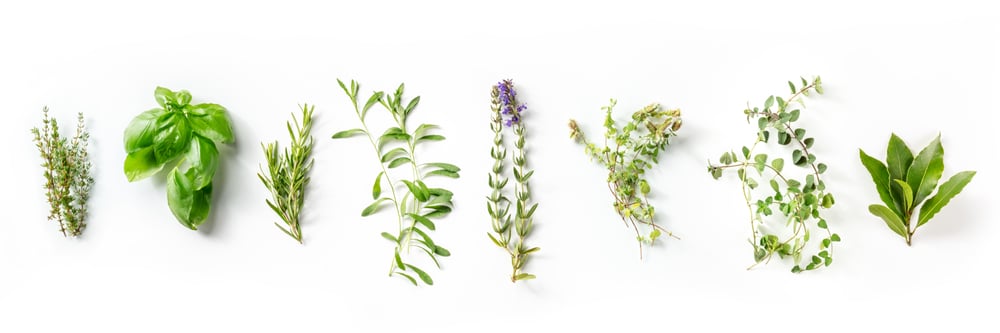
To use herbes de Provence effectively, it’s essential to understand how each component contributes to the overall profile:
Rosemary
Bold and resinous, rosemary anchors the blend. It holds up well to high heat and long cooking times, making it essential for roasted and braised applications.
Thyme
Earthy and slightly minty, thyme bridges the gap between robust and delicate flavors. It enhances proteins and complements slow-cooked dishes.
Savory
Peppery and warm, savory adds a subtle bite that sharpens the blend and prevents it from becoming too soft or floral.
Basil
Sweet and slightly anise-like, basil rounds out the sharper herbs, adding a fresh, green note.
Parsley
Clean and mild, parsley brightens the blend and lifts heavier flavors.
Lavender
The defining element in many modern interpretations, lavender introduces a floral note that, when balanced correctly, elevates rather than dominates. In Maison de Choix’s herbes de Provence blend, it is carefully proportioned to enhance aroma without overwhelming the palate.
How to Use Herbes de Provence in Professional Kitchens
In professional kitchens, herbes de Provence is more than a finishing touch. It’s a strategic seasoning that can be layered throughout the cooking process to build depth, enhance aromatics, and bring a cohesive Southern French identity to both classic and modern savory dishes.
1. Build Flavor Through Layering
Rather than treating herbes de Provence as a finishing sprinkle, use it as a foundational seasoning.
- Pre-cooking: Incorporate into dry rubs or marinades for proteins
- Mid-cooking: Add to braising liquids or roasting pans to infuse flavor
- Finishing: Lightly dust or incorporate into oils for a final aromatic lift
Layering allows each herb to express itself at different stages, creating a more dimensional result.
2. Apply Strategically in High-Heat Cooking
One of the most common questions chefs ask is “how to use herbs de Provence” without losing its nuance under high heat.
- Hardy herbs (rosemary, thyme, savory) perform well during roasting or grilling
- Delicate elements (lavender, basil) benefit from later-stage application
Pro tip: Combine herbes de Provence with oil or butter before applying to proteins or vegetables. This protects volatile aromatics and promotes even distribution.
3. Balance the Floral Notes
Lavender can be transformative (or overpowering) depending on how it’s handled.
To maintain balance:
- Pair with rich ingredients (lamb, duck, olive oil, butter)
- Use acid (lemon, vinegar, tomato) to cut through floral intensity
- Avoid overuse in delicate dishes where it may dominate
Maison de Choix’s blend is designed with this balance in mind, making it easier to integrate into a wide range of applications without constant adjustment.
Chef Tip:
Bloom herbes de Provence in warm oil before applying to proteins to unlock deeper aromatic intensity and improve adhesion during cooking.
How to Use Herbes de Provence in Modern Savory Applications”
Herbes de Provence extends far beyond traditional rustic preparations, offering chefs a versatile way to introduce layered herbal complexity, subtle floral notes, and a refined Provençal influence across a wide range of contemporary savory applications.
Grilled and Charred Vegetables
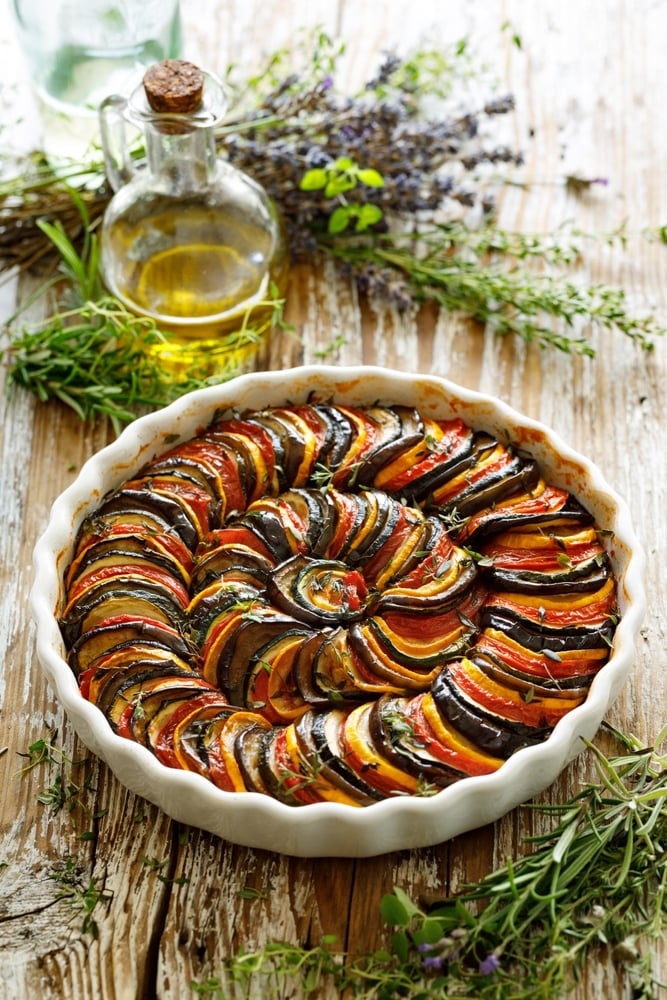
Vegetables benefit from the seasoning’s ability to complement both sweetness and smoke.
- Charred eggplant with herbes de Provence yogurt
- Roasted cauliflower steak with herb pistou
- Confit fennel with citrus-herb oil
- Roasted root vegetables finished with lavender honey glaze
Roasted Meats
Herbes de Provence is a natural fit for roasted proteins, but modern plating calls for refinement.
- Crusted lamb loin with lavender jus
- Herb-roasted chicken with preserved lemon and jus gras
- Pork tenderloin with thyme-forward pan sauce
The blend enhances caramelization while contributing aromatic complexity.
Braises and Slow-Cooked Dishes
In liquid-based cooking, the blend infuses gradually, creating depth over time.
- Provençal-style beef daube
- Braised short ribs with herbaceous red wine reduction
- White bean cassoulet with savory-forward seasoning
Sauces and Composed Plates
Herbes de Provence can also be used to build modern, composed elements:
- Herb-infused beurre blanc
- Lavender-thyme gastrique
- Basil-parsley herb oil for plating
Used sparingly, it adds a signature note that distinguishes a dish without overwhelming it.
Why Choose Maison de Choix Herbes de Provence?
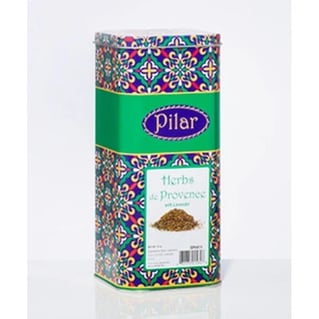
Consistency and balance are critical in professional kitchens. Inconsistency in herb blends can disrupt both flavor and execution. Maison de Choix Herbes de Provence with Lavender is designed to eliminate that variability.
- Consistent flavor across service: A reliable blend ensures every dish delivers the same balanced herbal and floral profile
- Reduced guesswork with lavender: Carefully measured to enhance aroma without overpowering, so chefs can use it confidently
- Time-saving solution: Eliminates the need for in-house blending while maintaining authentic Provençal character
- Versatile performance: Suitable for high-heat cooking, finishing, and layered applications
This is more than a seasoning—it’s a dependable tool for building flavor with precision and efficiency.
Bring Provençal Tradition to Your Modern Menus
For executive chefs, the challenge isn’t just using classic ingredients; it’s reinterpreting them in ways that feel relevant and refined.
Herbes de Provence seasoning offers that opportunity. With the right technique, it can move seamlessly from rustic origins to contemporary execution.
Whether you’re refining a roasted protein, elevating a vegetable-forward dish, or developing a signature sauce, understanding how to use herbs de Provence can unlock its full potential.
And with a thoughtfully crafted blend like Maison de Choix, you can do it with confidence and bring the essence of Southern France into every plate, without compromise.
Explore Maison de Choix Herbes de Provence to bring consistent, Provençal flavor to your menu without in-house blending.
FAQs: Herbes de Provence in Professional Cooking
What is herbes de Provence seasoning used for?
Herbes de Provence seasoning is used to enhance roasted meats, grilled vegetables, braises, and sauces with a balanced blend of savory, herbal, and floral notes. It is especially effective in high-heat cooking and slow-cooked dishes where its flavors can fully develop.
How do you use Herbs de Provence without overpowering a dish?
Use Herbs de Provence in stages. Apply early for depth and finish lightly for aroma. Balance the blend with fat (butter, olive oil) and acid (lemon, vinegar) to control the intensity, especially when working with lavender-forward blends.
When should you add herbes de Provence during cooking?
Add Herbs de Provence at multiple stages during cooking:
- Before cooking (rubs, marinades)
- During cooking (braises, roasting)
- After cooking (finishing oils or light seasoning)
This layering approach creates a more complex and balanced flavor.
Can herbes de Provence be used in high-heat applications?
Yes, Herbs de Provence can be used in high-heat applications, but timing matters. Hardy herbs like rosemary and thyme hold up well under heat, while more delicate elements like lavender and basil should be added toward the end to preserve their aromatics.
When should you use Herbes de Provence?
Herbes de Provence can be used throughout the cooking process, but timing impacts flavor expression. Early application allows hardy herbs like rosemary and thyme to develop depth, while finishing applications preserve the more delicate aromatics of basil and lavender.
What proteins pair best with Herbes de Provence?
This blend pairs especially well with richer proteins that can support its aromatic intensity, including lamb, chicken, duck, and pork. It also complements plant-forward dishes like roasted vegetables and legumes, where its herbal complexity enhances natural sweetness and caramelization.
What makes Maison de Choix Herbes de Provence different?
Maison de Choix offers a balanced, authentic blend with carefully measured lavender, allowing chefs to achieve consistent flavor without risking overpowering floral notes.