- By Charlotte Brown
- July 21, 2026
The non-alcoholic pairing trend: Non-alcoholic pairings have moved past the mocktail cart and into the tasting menu itself. At restaurants across the globe, beverage directors are now designing course-by-course, alcohol-free pairing programs with the same rigor as a wine list, built from fermentations, clarified juices, teas, and house-made tonics rather than de-alcoholized substitutes alone.
Why Non-Alcoholic Pairings Are Becoming a Full Menu Category
Beverage directors surveyed at the 2026 World's Best Sommelier Selection reported that at some restaurants, nearly half the dining room is skipping wine entirely. That shift is pushing restaurants to treat non-alcoholic pairings as a revenue and experience category in their own right, not an afterthought for guests who don't drink.
How Top Restaurants Are Building Non-Alcoholic Pairing Menus
- De-alcoholized wine as a starting point, not the finished pour. At LA's Kato, the team steeps de-alcoholized wine with tea, fruit skins, and spices, then brightens it with clarified juice to build course-specific pairings, such as a de-alcoholized syrah with toasted cacao and Chinese five spice for a pork belly course.
- Farm-driven, in-house production. SingleThread in Healdsburg produces its own private-label non-alcoholic sparkling wine and pinot noir using estate-grown botanicals and food waste, alongside shrubs and tonics that shift with the season.
- Fermentation over juice. Hiša Franko in Slovenia and Leo in Bogotá both lean on kombuchas, tonics, and fermented drinks made from foraged or regional ingredients rather than straight juice pairings.
- Tea as the pairing backbone. Fu He Hui in Shanghai and Logy in Taipei both build multi-course pairings around tea, from regional oolongs to fermented pu'er blended with botanicals.
- Presentation on par with wine service. At Copenhagen's Geranium, juice-based pairings are curated with the same attention to color, aroma, and tableside preparation as a wine pour, a program the restaurant has run since 2007.
What This Means for Beverage Programs
The common denominator across these restaurants isn't a single ingredient or technique. It's treating the non-alcoholic pairing as its own designed menu, built by a dedicated beverage lead, rather than a single substitute drink offered on request. For operators building out this category, that means sourcing ingredients that can carry a course the way wine does: enough complexity and structure to stand next to the food, not just alongside it.
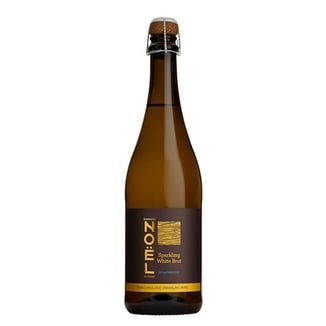
Building a non-alcoholic pairing program starts with sourcing beverages that hold up to fine-dining scrutiny. Maison Noël de France offers de-alcoholized and zero-proof options built for exactly this kind of course pairing.
For the full lineup of restaurants and their pairing menus, read the original feature here.
frequently asked questions:
What makes a non-alcoholic pairing menu different from a mocktail list?
A pairing menu is built course by course to match a specific tasting menu, using techniques such as fermentation, clarification, and tea blending, rather than offering a fixed list of stand-alone drinks.
Are non-alcoholic tasting menus becoming standard at fine-dining restaurants?
They're growing quickly. Some restaurants report that 35 to 50 percent of guests choose alcohol-free pairings, prompting beverage teams to design dedicated non-alcoholic programs rather than single substitute options.